🔥 Free Shipping on Orders Over $68.88 🚚

Are Nasal Inhalers Safe?
Nasal inhalers are generally considered safe when used correctly and in moderation. Most modern
nasal inhalers are designed for sensory or aromatherapy purposes, using essential oils or natural
aromatic compounds rather than medications.
However, like any wellness or sensory product, safety depends on proper usage, ingredient sensitivity,
and individual health conditions. This guide explains how safe nasal inhalers are, their potential risks,
and how to use them responsibly.
Table of Contents
How Safe Are Nasal Inhalers?
FFor most people, nasal inhalers are safe for everyday use. They work through scent-based stimulation
rather than ingestion or medication delivery.
Common ingredients such as peppermint oil, menthol and eucalyptus oil are widely used in
aromatherapy and are considered safe when used appropriately.
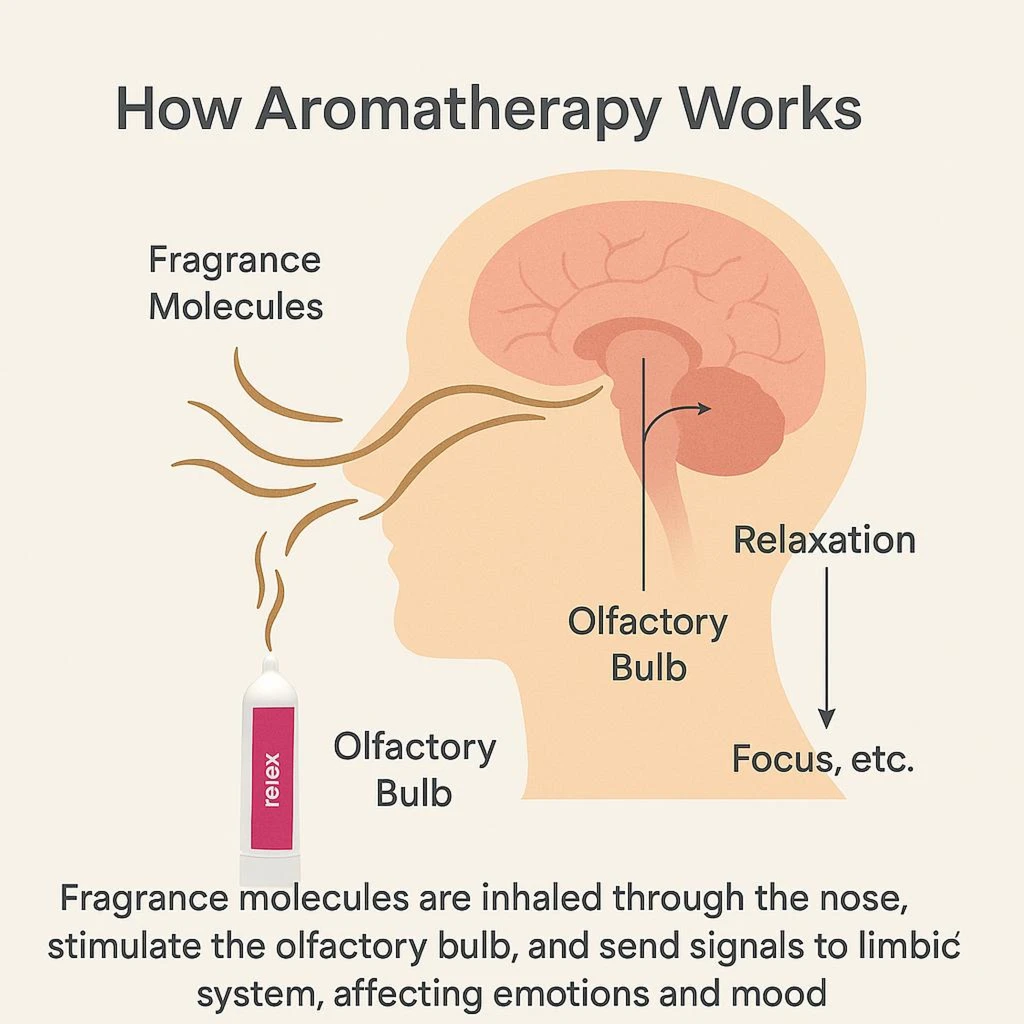
Because nasal inhalers are not ingested and deliver only small amounts of aromatic compounds, they
mainly affect users through the olfactory system (the sense of smell), making them a low-risk sensory
tool for most healthy adults.
Possible Side Effects
AAlthough nasal inhalers are safe for most users, some people may experience mild sensitivity. Possible
side effects include:
- Temporary irritation from strong scents
- Headache in sensitive individuals
- Discomfort when overused
- Allergic reactions to specific essential oils
These effects are usually mild and can often be avoided by reducing usage frequency or switching to
milder scent formulations.
Who Should Be Cautious?
Certain individuals should use nasal inhalers with caution:
- People with asthma or other respiratory conditions
- Individuals sensitive to strong fragrances
- Those with known allergies to essential oils
- Pregnant or breastfeeding individuals
- Young children and infants — menthol and eucalyptus oil in particular can be too strong for them, unless a product is specifically designed and labelled for children
If you have any medical concerns, consult a healthcare professional before regular use.
How to Use Nasal Inhalers Safely
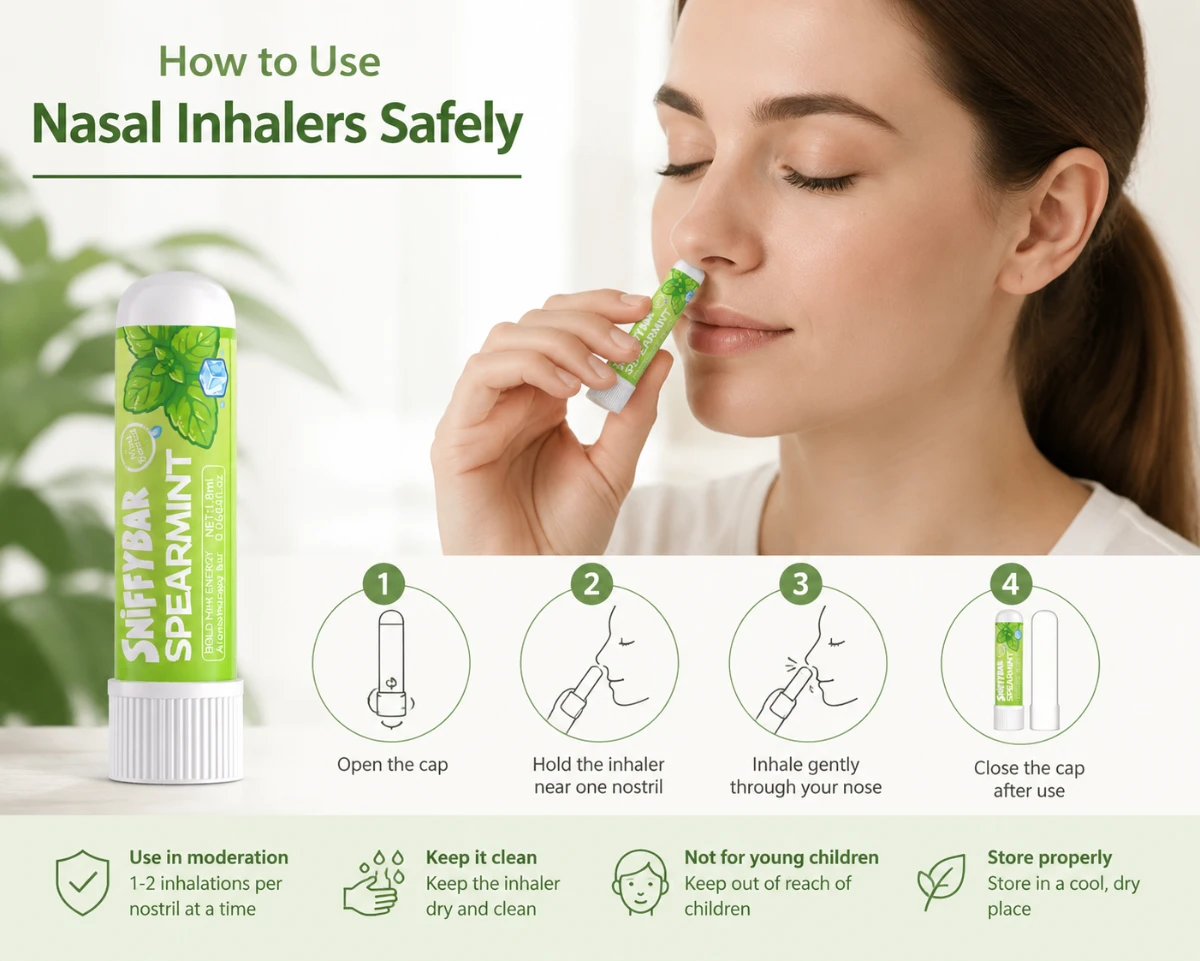
To ensure safe and comfortable use:
- Use gently—avoid deep or forceful inhalation
- Do not insert the inhaler into the nose
- Limit frequent repeated use in a short time
- Store in a cool, dry place
- Stop use if irritation occurs
Proper usage significantly reduces the chance of discomfort and ensures a better experience.
Nasal Inhalers vs Medical Inhalers
It is important to distinguish between nasal inhalers used for wellness and medical inhalers used for treating conditions.
| Type | Purpose | Safety Context |
|---|---|---|
| Nasal inhaler (aromatherapy) | Focus, refreshment, mood | Low-risk sensory use |
| Medical inhaler | Treat asthma or respiratory issues | Requires prescription and medical guidance |
This article focuses on non-medical, lifestyle nasal inhalers.
Do Nasal Inhalers Affect Health Long-Term?
There is currently no strong evidence that properly used aromatherapy nasal inhalers cause long-term
harm in healthy individuals. Because they are not ingested and do not deliver medication, their effects
are primarily sensory and temporary. That said, long-term comfort still depends on responsible usage
and the quality of the ingredients.
Final Thoughts
Nasal inhalers are generally safe for most people when used correctly. They offer a convenient, noningestible way to experience sensory refreshment and may support focus and alertness in daily life. As with any wellness product, moderation and awareness of personal sensitivity are key to a safe and
comfortable experience.
Sniffybar nasal inhalers, for example, are nicotine-free and made with 100% natural essential oils — a
low-risk way to enjoy sensory refreshment on the go.
Frequently Asked Questions
Are nasal inhalers safe for daily use?
For most healthy adults, aromatherapy nasal inhalers are safe for everyday use when used gently and in moderation.
Are nasal inhalers safe during pregnancy?
Some essential oils are not recommended during pregnancy or breastfeeding. Check with your healthcare provider before use.
Can children use nasal inhalers?
Only products specifically designed and labelled for children. Menthol and eucalyptus can be too strong for young children and infants.
Do nasal inhalers have side effects?
Side effects are usually mild — such as temporary irritation or headache from strong scents — and can be reduced by using them less often or choosing milder blends.
Learn More
- What Is a Nasal Inhaler and How Does It Work?
- How to Use a Nasal Inhaler Correctly
- Do Nasal Inhalers Really Work?
- Energy Inhaler Benefits Explained